

 |


|
|

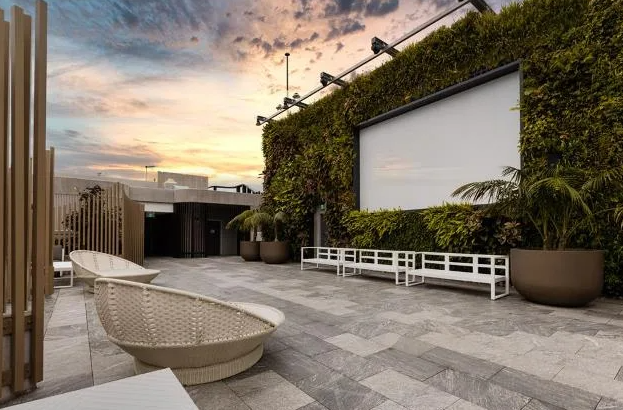

In this modern era, architectural design trends continue to evolve along with technological developments and awareness of the importance of environmental conservation. One of the latest trends to steal the spotlight is biophilic architectural design. This concept not only pursues visual beauty, but also emphasizes harmonious integration with nature and sustainability. This article will discuss the definition and design trends of biophilic architecture, especially in the context of building residential spaces.
Biophilic architecture refers to a design approach that takes inspiration from the natural world and strives to create structures that interact harmoniously with the surrounding environment. Biophilic comes from the word "bio" which refers to life and "folic" which comes from the word "foliage". The concept aims to create buildings that are not only aesthetically pleasing, but also promote sustainability and ecosystem balance.
Biophilic design emphasizes the use of natural and eco-friendly materials. From recycled wood, bamboo, to other recyclable materials, architects seek to reduce environmental impact through the selection of sustainable materials.
One of the hallmarks of biophilic design is the integration of buildings with open spaces. These designs often utilize the surrounding landscape as an integral element, combining outdoor and indoor spaces to create a unique living experience.
Energy sustainability is a major concern in biophilic design. Architects look for ways to optimize natural lighting, air circulation, and the use of the latest technologies to create energy efficient buildings.
Biophilic design often takes organic forms inspired by nature. This style of architecture creates buildings that flow naturally with their surroundings, mimicking organic patterns such as leaf shapes, stones, or plant structures.
Along with the need to increase green space in urban environments, biophilic design often includes elements such as vertical gardens and green roofs. These not only beautify the building but also provide ecological benefits such as carbon sequestration and improved air quality.
With the demand for sustainability and concern for the environment, biophilic architectural design is becoming increasingly relevant. The use of green technology, utilization of eco-friendly materials, and harmonious integration with nature are key points in creating residential spaces that are not only beautiful but also environmentally friendly. With this trend, biophilic architecture is pioneering in shaping the future of sustainable and resilient development.


 Back to News
