

 |


|
|

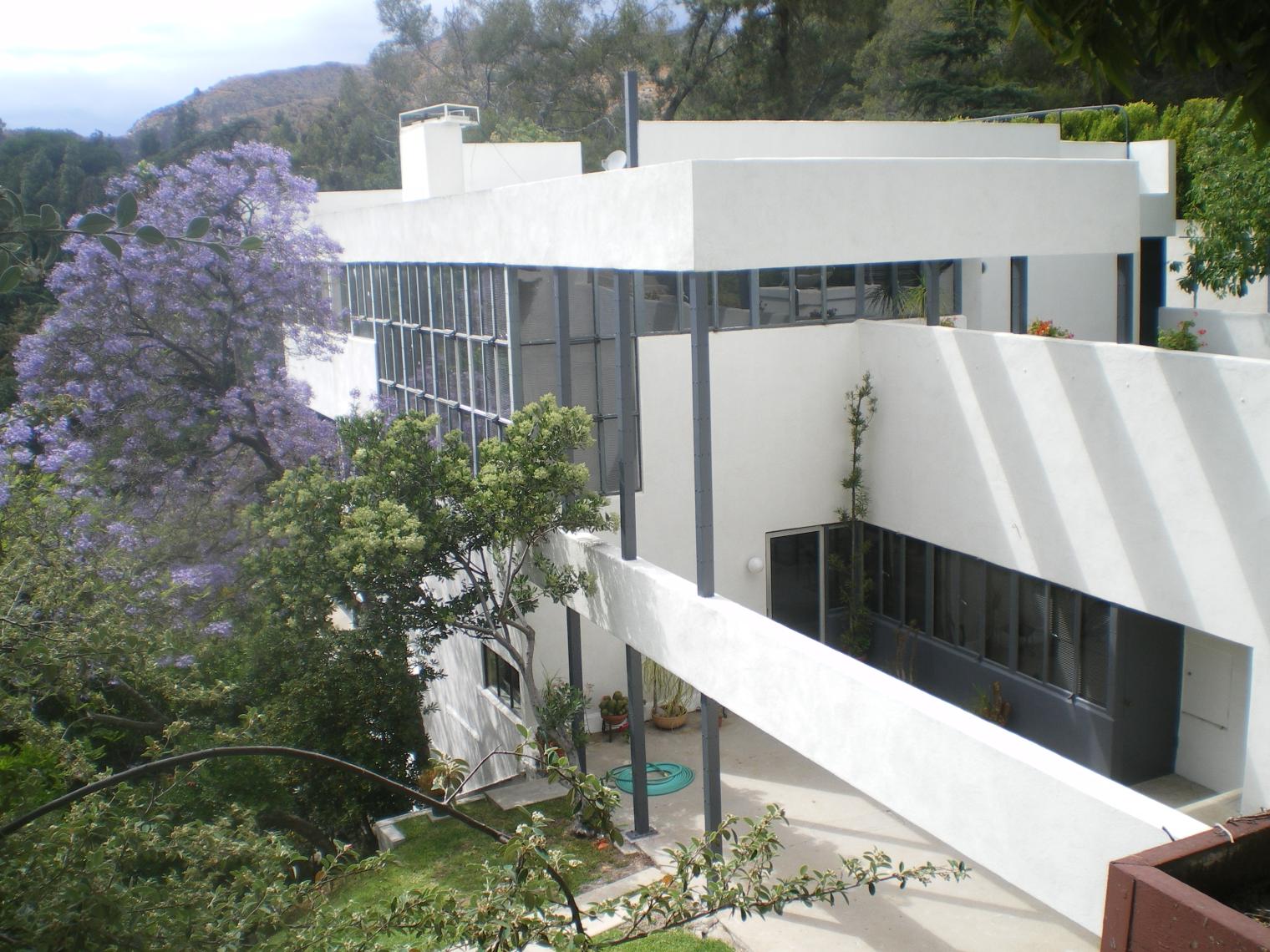
The International Style is a major architectural style that emerged in the 1920s and 1930s, the formative years of modernist architecture. The term comes from the title of a book by Henry-Russell Hitchcock and Philip Johnson written to chronicle the International Exhibition of Modern Architecture held at the Museum of Modern Art in New York City in 1932. The book identifies, categorizes and expands upon common characteristics of modernism around the world. As a result, the focus deepened on the stylistic aspects of modernism. Hitchcock and Johnson's goal was to establish the style of the time that would shape modern architecture.
They identified three distinct principles: the expression of volume over mass, balance over prejudicial symmetry and the removal of building ornamentation. All works exhibited as part of the event were carefully selected, as only works that met a set of requirements were exhibited."[1] Earlier uses of the term in a similar context can be given to International Architektur by Walter Gropius and Internationale neue Baukunst by Ludwig Hilberseimer.[2]
Translated with DeepL.com (free version)
|
Other News
|


 Back to News
