

 |


|
|

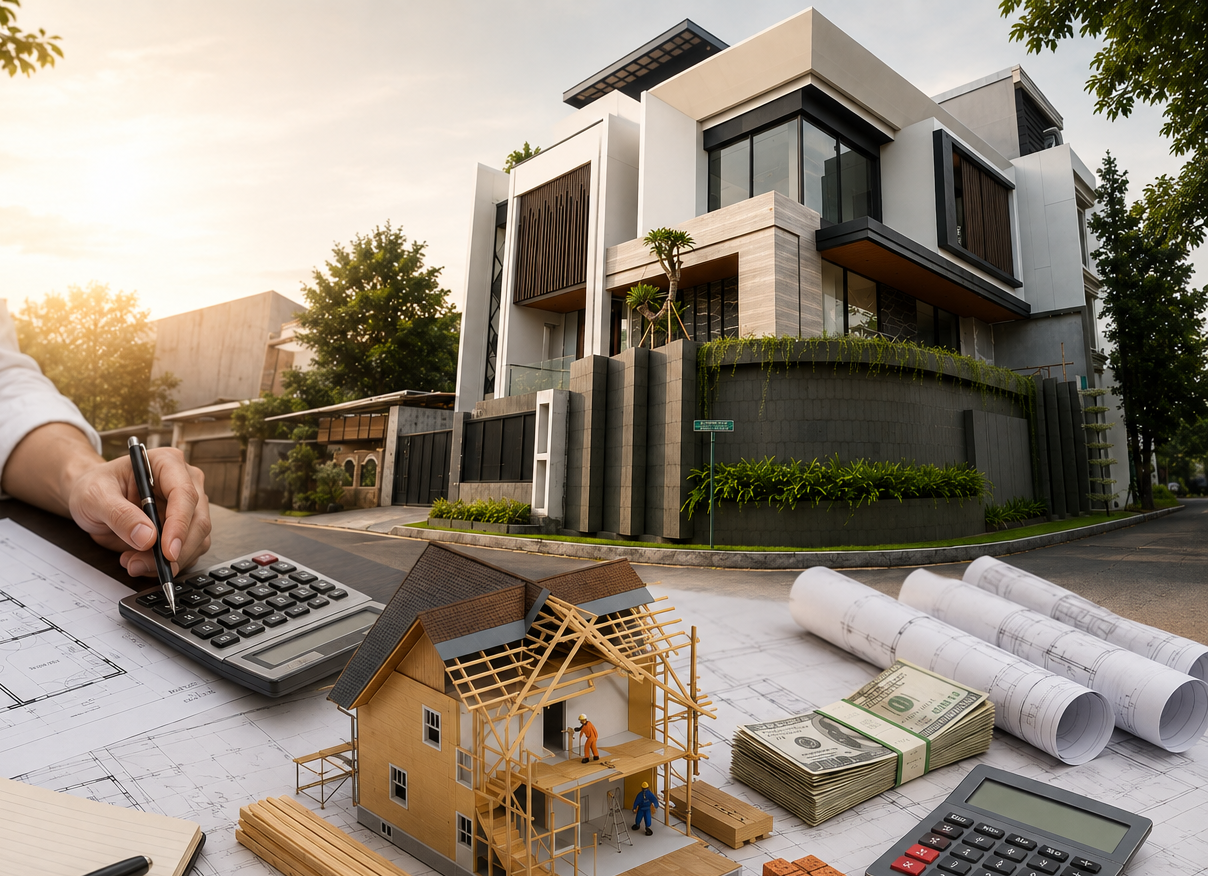
Building a house is an exciting journey, but without proper planning, it can quickly become expensive. Many homeowners start with a certain budget only to realize halfway through the project that their money is running out.
One of the best ways to avoid this problem is by creating a Rencana Anggaran Biaya (RAB), also known as a Construction Budget Plan.
Don't worry—you don't need to be an architect or a contractor to understand the basics. This guide will show you how to create a simple RAB so you can estimate your construction costs and keep your project on budget.
A RAB (Rencana Anggaran Biaya) is a detailed list of all the estimated costs needed to build a house.
It usually includes:
Construction work to be completed
Building materials
Labor costs
Estimated cost for each stage
Total construction budget
Think of a RAB as a financial roadmap. It helps you understand where your money will go before construction even begins.
Imagine going grocery shopping without a shopping list. You might forget important items or buy things you don't really need.
Building a house works the same way.
With a well-prepared RAB, you can:
Estimate your total construction cost.
Plan your budget more effectively.
Avoid unnecessary expenses.
Compare quotations from different contractors.
Reduce the risk of going over budget.
Before calculating costs, you need to know what you want to build.
For example:
80 m² house
One floor
Three bedrooms
Two bathrooms
The more detailed your design is, the easier it will be to estimate the cost.
Write down every stage of the project from start to finish.
For example:
Foundation
Structural work
Walls
Roof
Ceiling
Flooring
Doors and windows
Electrical installation
Plumbing
Painting
Final finishing
Missing even one item can affect your overall budget.
Next, estimate the materials required for each construction task.
For example, wall construction may require:
Lightweight bricks
Cement
Sand
Steel reinforcement
Paint
Accurate material estimates help reduce waste and unexpected expenses.
Find the latest prices for building materials and labor in your area.
Keep in mind that construction costs vary depending on the location, supplier, and quality of materials.
Using up-to-date prices will make your budget much more accurate.
Once you have all the information, add together the material costs and labor costs for every construction stage.
The result is your estimated house construction budget.
| Construction Work | Estimated Cost |
|---|---|
| Foundation | Rp25,000,000 |
| Structural Work | Rp60,000,000 |
| Walls | Rp35,000,000 |
| Roofing | Rp40,000,000 |
| Flooring | Rp20,000,000 |
| Electrical & Plumbing | Rp15,000,000 |
| Painting | Rp12,000,000 |
| Total Estimated Cost | Rp207,000,000 |
The numbers above are only examples. Actual construction costs will depend on your house design, material selection, location, and labor rates.
A few simple habits can help keep your project on track:
Create your RAB before construction starts.
Avoid changing the design during construction.
Compare prices from several suppliers.
Set aside an extra 5–10% as an emergency budget.
Review your expenses regularly throughout the project.
Creating a RAB is one of the smartest things you can do before building a house. It helps you understand how much money you'll need, where it will be spent, and how to avoid unexpected costs.
Remember, a good RAB isn't about building as cheaply as possible—it's about spending your budget wisely. With careful planning and regular cost tracking, you'll have a much better chance of completing your dream home on time and within budget.


 Back to News
